
The race to integrate AI has created a paradox. As companies automate processes and personalize experiences at scale, they risk becoming efficient, intelligent, and utterly soulless. Technology can optimize the “what” and the “how,” but it cannot invent the “why.” Without a strong human-centric mission, AI becomes a tool for sterile optimization rather than transformative growth. A powerful brand purpose provides the essential strategic and ethical compass. It ensures that technology amplifies human values, builds genuine connection, and creates innovations that matter, turning efficiency into a source of enduring economic and emotional value.
Written by Vivaldi Brand Analyst Kristin Laermann The COVID-19 pandemic and its global consequences for social and economic life keep the world in suspense for over two months now. While the overall dimensions of the crisis change on a daily basis, there is immense pressure on politicians to stabilize the situation. Yet, consumers also expect companies to contribute to a solution. Since many industries face massive restrictions of their usual working conditions, it requires pragmatic but precise measures to navigate a company’s brands through the crisis as unscathed as possible. We at VIVALDI are convinced that both thoughtful communication and authenticity take top priority during such a time of crisis to avoid irreversible damage to a company’s image. But what are the right actions to take? And how can all relevant stakeholders be addressed comprehensively – from customers to employees, investors and business partners? To start, not reacting at all to the crisis, ignoring instructions or possibly neglecting a stakeholder group can cause lasting damage to a company. Secondly, when conceiving and developing corporate actions of crisis management it is crucial to remain true to a company’s values and purpose. What exactly is a brand purpose? The brand purpose describes a company’s motivation, the “why” of what they are doing or their reason to exist apart from doing profitable business. An approachable purpose has to be focused on the core competencies and actual capabilities of the brand. Concurrently the needs and wishes of the customers as well as socially relevant topics and areas of responsibility must be addressed and combined to a comprehensive ambition. It’s a statement of belief and pursuit, the concrete formulation can range from an abstract to a concrete strategic goal of a brand, depending on the industry, customer structures and the company’s culture. In a comprehensive and actionable guiding principle, the purpose can be complemented by a vision, a mission and corporate values. 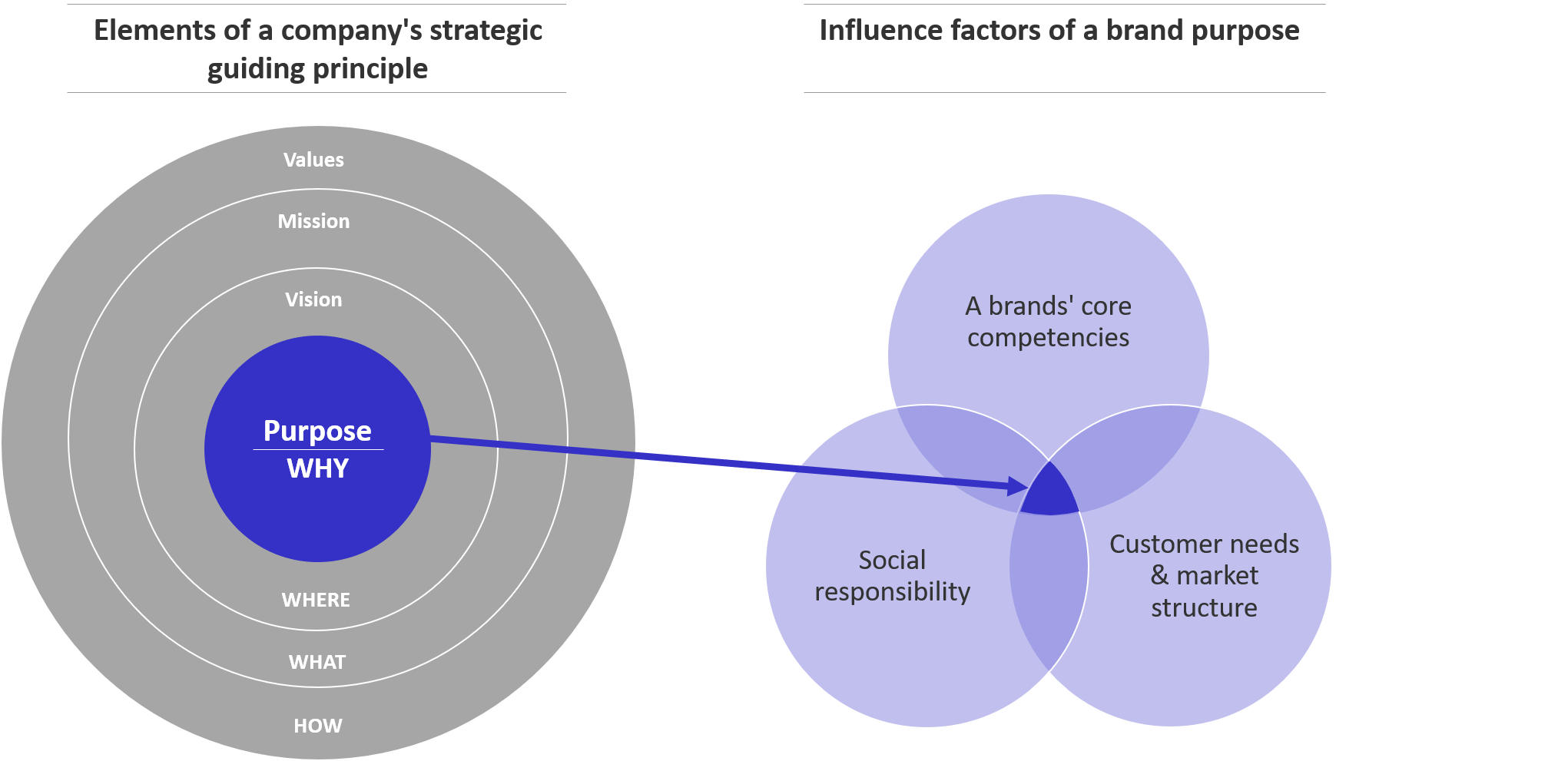 Figure 1 So, how does that help to prevent your business from the consequences of a global pandemic?
- Brand purpose as a guiding principle in crisis management
A strong, continuously cultivated purpose shapes a strong brand statement, that provides a useful basis for credible crisis management and the opportunity to position oneself as a doer in this extraordinary situation. Therefore, actions taken to cope with the virus that reflect a brands purpose will be perceived especially authentic and therefore more effective. Our CEO Erich Joachimsthaler emphasizes that “Brand values are no longer just communicated; they are delivered and experienced.” So, following this principle and really bringing to life a company’s values during these times should be the overall focus when approaching your stakeholder groups. Inversely, addressing these values throughout the process of crisis management will perspectival strengthen the purpose. That again offers companies to pursue a sustainable growth strategy even within their limited possibilities during a crisis state. For some concrete inspiration and best practices read our recent post on outstanding positive examples of reactions to the COVID-19-crisis.
- A Brand purpose strengthens customer relationships
Studies prove that a strong purpose enables brands to build deeper bonds with their consumers. Looking towards the worldwide challenging situation and it’s not even fully predictable impact on economy, it gets obvious that now is the time to strengthen those bonds wherever possible. Many brands underestimate that aspect and thus risk losing the relationship to their customers. Putting your customer in focus therefore opens up the opportunity to come out of the crisis ahead of competitors instead of just surviving it. That is why we highly recommend shifting remaining resources and marketing spend into long-term marketing and brand-building activities, which leads to our third aspect:
- A Brand Purpose keeps strategic goals in sight
Following a dedicated brand purpose demonstrates that a company does not only understand and address the world we are living in right now, but also aims for goals and customer needs that must be faced in the future. That’s why, no matter how extraordinary the situation might be, now is also the time to reconsider strategic goals and use them to guide companies and brands though an unstable environment. If you are interested to discuss how you can elaborate your brand’s purpose or to implement it in a comprehensive concept contact us via email or give us a call at +49 1522 9230 752 for Germany/ Europe and +1 212 965 0900 for the US.
Frequently Asked Questions
My company is focused on survival right now. Isn’t brand purpose a ‘nice-to-have’ that can wait? It’s a common misconception to see purpose as a luxury for stable times. In reality, a clear purpose is most critical when you’re navigating uncertainty. Think of it less as a marketing slogan and more as a decision-making filter. It helps you determine what to protect, where to invest limited resources, and how to communicate with your team and customers in a way that builds trust for the long term. It’s the very thing that ensures you survive with your brand’s integrity and customer relationships intact.
How is a brand purpose different from our mission or vision statement? This is a great question because the terms are often used interchangeably. The simplest way to think about it is that your vision is where you are going, and your mission is what you do to get there. Your purpose is the fundamental why behind it all. It’s the core belief that fuels your mission and inspires your vision. While a mission can be about market leadership and a vision can be about a future state, the purpose is the human-centric reason your company exists beyond making a profit.
We have a purpose statement, but how do we make sure our actions feel authentic and not opportunistic? Authenticity isn’t achieved through a single grand gesture; it’s the result of consistent, everyday actions that align with your core beliefs. The key is to use your purpose as an internal gut-check for every decision, big or small. Before launching an initiative or responding to an event, ask: “Does this genuinely reflect why we exist?” If an action is primarily designed for a short-term PR win rather than to serve your stakeholders in a way that reflects your values, it will likely be perceived as inauthentic.
How does our purpose guide decisions when different stakeholders—like customers, employees, and investors—have conflicting needs? A strong purpose acts as your ultimate tie-breaker. It provides a unifying principle that helps you prioritize and make tough calls. It doesn’t mean every group will be perfectly happy with every outcome, but it allows you to explain your choices with transparency and consistency. When stakeholders understand that your decisions are grounded in a core “why,” they are more likely to trust the logic, even if a specific outcome isn’t in their immediate favor. It shifts the conversation from “who wins” to “what aligns with our reason for being.”
The introduction mentions AI. How does a strong brand purpose prevent technology from making our company feel ‘soulless’? AI is incredibly powerful for optimizing tasks and personalizing experiences, but it operates on logic and data, not values. Your brand purpose provides the essential human element. It sets the strategic and ethical boundaries within which your technology operates. It ensures that your AI-driven personalization feels genuinely helpful instead of intrusive, that your automated communications are empathetic, and that the efficiency you gain is used to create more meaningful human connections, not just to cut costs.
Related reading: Brand Purpose Strategy: Why Purpose Drives Enterprise Growth
Key Takeaways
- Anchor your crisis response in your brand’s core “why”: Use your purpose as a strategic filter for every decision. This ensures your actions are authentic and credible, reinforcing what your company truly stands for when it matters most.
- Build lasting customer bonds through action, not just words: Go beyond statements and demonstrate your values through tangible initiatives. This is how you create genuine loyalty that will outlast any period of market disruption.
- Use your purpose to maintain strategic clarity: A strong purpose provides a stable guide in an unstable environment. It helps you focus on long-term goals and brand-building activities, ensuring you emerge from the crisis with clear direction and momentum.
Related Articles
- A Strong Brand Purpose Can Steer Your Brand During Coronavirus
- The Brand Purpose Crisis – Vivaldi Group
- Understanding What Is Brand Purpose and Its Impact on Business Success
- The Essential Brand Management Strategy, Expert Tips
- Do CEOs Really Understand Their Brand? It’s Time for a Wake-Up Call – Vivaldi Group