
Brand activation is one of the most consequential-and most misunderstood-concepts in modern marketing. It sits at the intersection of brand strategy and consumer behavior, converting positioning into participation and awareness into action. This guide unpacks what brand activation actually means, how it differs from advertising and branding, the five core types of brand activation, and how to plan, measure, and scale campaigns that compound over time.
Key Takeaways
Brand activation is a marketing strategy focused on creating interactive experiences-time-bound campaigns that turn a static brand into lived, participatory moments. Its purpose is to move consumers from passive awareness to active engagement: trying, sharing, attending, or buying.
- Brand activation is not just “a cool event.” It is the bridge between brand strategy and real-world interaction-the execution point where brand positioning, brand identity, and brand values are tested in front of real people. Without strategic grounding, activation is expensive noise.
- Brand activation works by creating memorable, shareable experiences (online or offline) that generate demand, trial, and preference-not just impressions. The goal is behavioral change, not mere visibility.
- This guide covers the five core types of brand activation: experiential, digital, sampling and trial, cause-led, and retail or in-store. The best brand activations blend several of these types into integrated programs.
- The governing argument: activation without a clear brand strategy is expensive noise. Activation with a sharp strategy creates Social Currency-interactions people want to talk about and share-which is how brands convert moments into lasting value.
What Is Brand Activation? (Fast, Practical Definition)
Brand activation is a focused, time-bound campaign or experience that invites people to actively interact with your brand, with a specific behavioral outcome in mind-trial, sign-up, content share, or visit. It is a deliberate design for participation, not passive consumption.
The distinction from traditional marketing matters. Traditional advertising mainly broadcasts a brand message to audiences through a banner ad, a TV spot, or a billboard. Brand activation designs situations where people do something with or through the brand. Brand activations invite audiences to actively participate in narratives, not sit and watch.
Every brand activation shares three core elements:
- A discrete moment or program. Activation is bounded-it is not always-on brand advertising.
- Genuine interactivity. People touch, test, play, share, or decide. The activation invites direct engagement.
- A clear link to brand strategy. Positioning, brand values, and commercial objectives inform every design choice so the experience feels authentic, not random.
This is how activation brings a brand to life. Abstract attributes like “innovative” or “caring” are translated into tangible behaviors, environments, and rituals-an augmented reality installation that reveals a product’s inner workings, or a community service tie-in that demonstrates purpose in action. Activations can be physical (a pop up in a major city), digital (an interactive TikTok challenge), or hybrid, and they serve both B2C and B2B audiences.
How Brand Activation Differs from Branding, Advertising, and Awareness
A persistent source of confusion: many teams use “branding,” “advertising,” “brand awareness,” and “brand activation” interchangeably. Each serves a different role. Companies market across an average of 10 channels, and clarity about what each channel is supposed to accomplish is essential.
- Branding is the long-term work of defining and expressing purpose, positioning, brand identity, and brand values across every touchpoint. It shapes how a brand wants to be perceived over years.
- Advertising is primarily one-way communication optimized for reach and frequency. Traditional advertising is judged on impressions and recall-not depth of engagement.
- Brand awareness is the outcome of being known or recognized. It can be achieved through PR, media buys, or sponsorships, but awareness alone is shallow without preference or intent.
- Brand activation is the subset of brand-building focused on behavior and participation: getting people to try, co-create, attend, or share.
Consider the differences by objective: a brand campaign aims to shift perception over years, measured by sentiment and equity. A performance campaign drives immediate actions measured by conversions and ROAS. Brand activation bridges the two-driving trial, shareability, and engagement within discrete programs, measured by interaction quality, opt-ins, and conversion.
The stance here is clear: chasing reach alone often yields shallow outcomes. Activation should be judged on quality of interaction, signals of intent, and conversion into meaningful relationships-not raw impressions.
Why Brand Activation Matters Now
The 2024–2026 landscape makes activation more critical than ever, reflecting the broader evolution of branding from communications to value creation. Media clutter is extreme, algorithm-driven feeds prioritize engagement over broadcast, ad fatigue is real, and audiences expect two-way, meaningful engagement from brands. Brand activation can help increase brand awareness and drive immediate sales in a context where passive channels are losing impact.
The data supports this shift. According to industry surveys, 91% of consumers report more positive feelings about a brand after attending a live brand experience, and 85% say they are likely to purchase after participating in an experiential marketing activation. Global experiential marketing spending grew 8% to reach $139 billion in 2025. Gen Z is 1.5 times more likely to visit immersive brand experiences, signaling where audience attention is heading and how digital-first beauty and lifestyle brands build connections with these consumers.
Brand activations reduce the “say–do gap.” They force consistency between what the brand claims and what people actually experience, a core principle of human-centric brand experience design. A fintech that claims “simplicity” must deliver that simplicity in a live demo lounge-not a complicated booth. This is where trust is built.
Activations also accelerate the journey from awareness to trial. Spiro’s 2025 Impact Report found that 80% of tech event attendees and 93% of CPG event attendees purchased from the brand post-event-an astonishing conversion rate.
This connects to the concept of Social Currency: the value created when people feel a brand gives them something worth sharing-status, belonging, or utility. Strong brand activation is designed deliberately to create Social Currency, which is how some activations compound while others evaporate. Interactive experiences can create emotional connections between brands and consumers that no passive channel replicates. In B2B, executive roundtables, live labs, and invite-only demos serve the same function for complex offerings.
The 5 Main Types of Brand Activation
Most brand activation campaigns fall into five practical families. Common activation methods include product sampling and immersive events, but the taxonomy is broader:
- Experiential – immersive, in person environments designed for deep emotional connection and recall.
- Digital – interactive online experiences optimized for scale, data capture, and agility.
- Sampling and trial – direct product experience, crucial in FMCG, beauty, food and beverage, and SaaS.
- Cause-led – activations where participation furthers a social or environmental cause tied to brand purpose.
- Retail and in-store – interactive experiences at the point of sale that influence purchase decisions.
Effective brand activation strategies often integrate physical and digital experiences. A cause-led experiential pop up amplified via a digital challenge, for instance, or sampling at retail reinforced by digital follow-up. Product launch activations create live experiences around new products, blending several types of brand activation in a single program.
The strategic question is which types map to your current objectives-not which format is trendiest. Virtual reality for its own sake is a waste of budget if your goal is trial-to-purchase conversion.
Experiential Marketing: Immersive Brand Activations
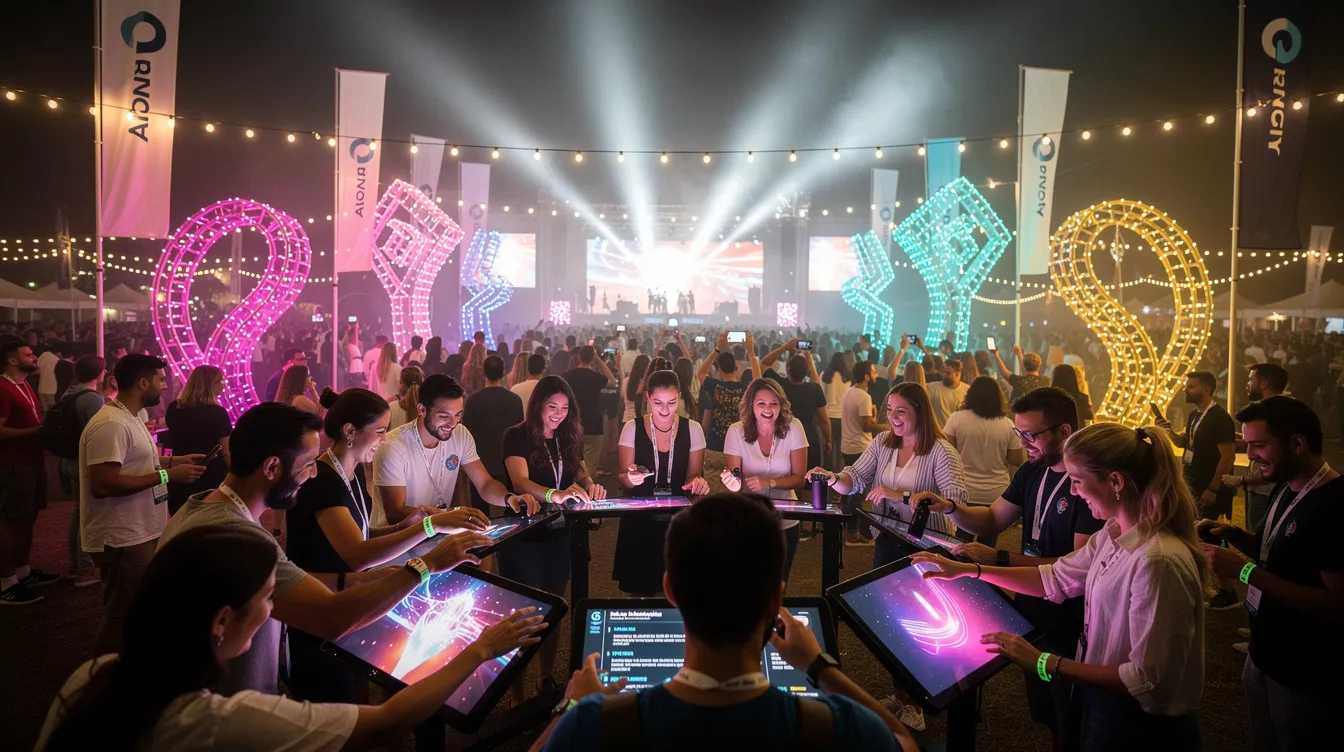
Experiential marketing is the practice of creating live, multi-sensory environments where people can touch, test, or co-create with the brand. It invites active participation, not passive viewing. Brand activation generates consumer action through immersive experiences that leave a lasting impression far beyond what traditional advertising can achieve.
The core elements of experiential activation: a narrative arc (beginning, middle, end), sensory design (sound, scent, lighting), interactivity (choices, challenges, hands on demos), and social shareability (photo moments, AR lenses, hashtags). Immersive installations blur the line between art and marketing-and the best activations feel more like culture than commerce.
Consider Taco Bell’s “The Bell” hotel-a pop-up resort in Palm Springs where every surface was branded, every detail designed for social sharing. Result: 4.4 billion earned media impressions. Or UNIQLO’s PUFFTECH exhibition, which drew over 850 in person visitors and 1.3 million out-of-home views. Mobile tours reach audiences across multiple markets, extending the footprint of larger events. Pop-up activations engage audiences in high-traffic environments where the brand can capture attention at scale.
Emerging tech like augmented reality and projection mapping are powerful tools, but the idea and brand fit come first. AR is compelling when it reveals something about the brand or product that you cannot see otherwise.
Execution tips for experiential:
- Choose the right cultural moment-a music festival, a seasonal peak, a relevant industry conference.
- Design for queue-time engagement so waiting becomes part of the experience, not dead time.
- Manage capacity to keep the experience feeling premium.
- Plan for content capture that feels organic-photo moments and UGC opportunities that feed social sharing.
Brand activation cost drivers for experiential include venue, fabrication, staffing, safety, and permits. These can scale from modest pop up shop installations to multi-million-dollar builds. KitKat created outdoor “no wi-fi zones” for relaxation-a modest concept that dramatized a clear brand truth without massive production spend.
Digital and Hybrid Brand Activations
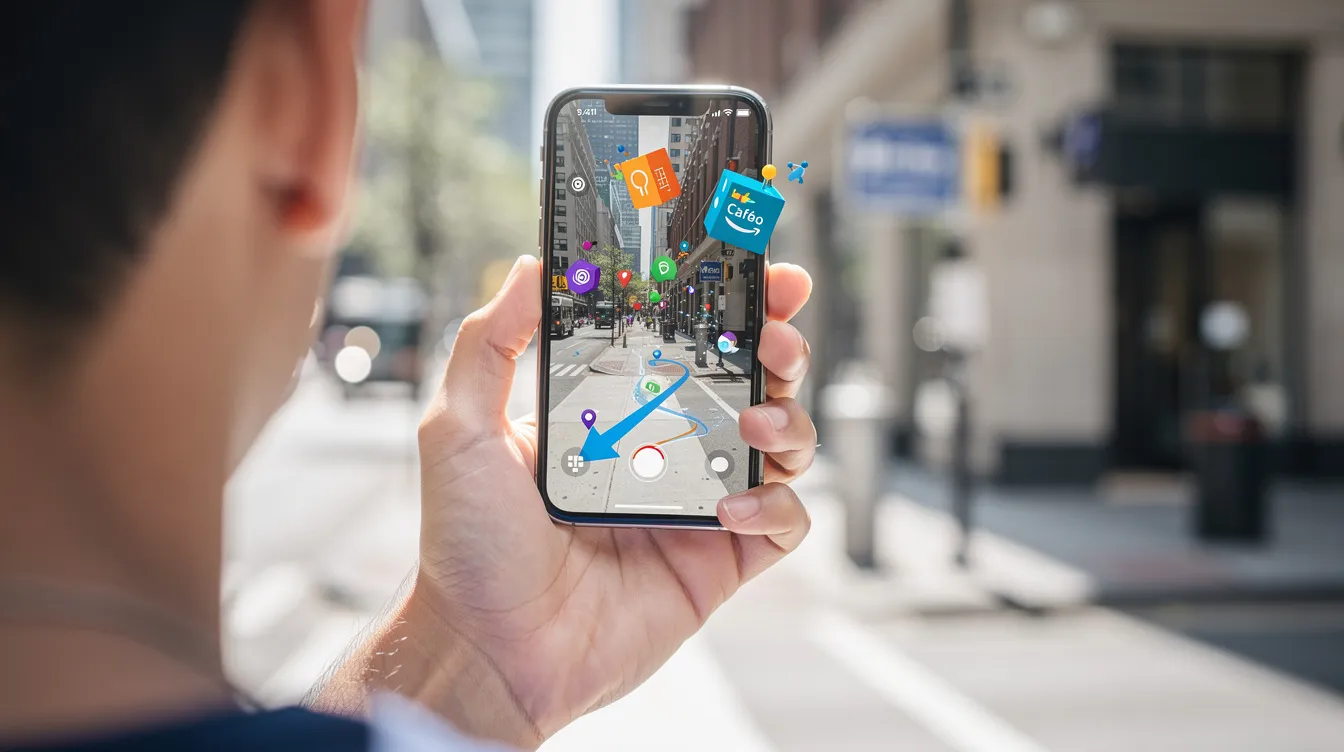
Digital brand activations are interactive online experiences-challenges, AR filters, live streams, multiplayer games-that invite participation rather than passive viewing. Digital experiences remove geographic barriers for global audiences, making them essential for brands with distributed markets and for organizations pursuing brand and marketing acceleration in digital-first environments.
Hybrid activations blend physical and digital: a QR code triggered story in store, live polling at events, or a TikTok challenge launched from a physical stunt. The combination of in person energy with digital scale creates compounding reach.
Spotify Wrapped encourages users to share their listening history-a digital activation that turns personal data into Social Currency, generating billions of impressions annually without a single physical build. Gamified challenges can engage consumers through online contests using augmented reality, like a sports brand’s AR try-on campaign that let users “test” shoes in Instagram Stories. User-generated content can amplify brand activations through social media, extending the life and reach of any campaign.
The role of AI in digital activation is increasingly specific. Today, 75% of marketing organizations use AI for campaign tasks-dynamic creative optimization that adapts to engagement patterns in real time, chat-based concierges for virtual events, and predictive targeting that identifies high-propensity participants mid-campaign. This is not hand-waving: AI enables real-time A/B testing of participation mechanics and messaging, compressing learning cycles from weeks to hours.
Measurement advantages are significant: precise engagement data, path-to-conversion tracking, and the ability to test multiple brand activation ideas quickly across social media platforms.
Common pitfalls: gimmicky filters without a clear brand link, overcomplicated mechanics that reduce participation, or data collection that feels extractive without building any emotional connection to the brand identity.
Sampling and Trial-Based Brand Activations
Sampling and trial are the most direct way to move from awareness to product experience-the point where a consumer crosses from consideration to conviction. This format is especially effective in FMCG, beauty brands navigating an evolving landscape, food and beverage, and SaaS.
The difference between handing out free samples and a strategic brand activation is context. Vitaminwater’s misting station at summer festivals addressed summer heat and thirst simultaneously-dramatizing brand benefit at the exact moment of need rather than distributing product generically. Starbucks opened a pop-up shop for new carbonated drinks, turning a product launch into an event. M&Ms hosted a pop-up to choose a new flavor, converting sampling into a participatory vote. Snapchat launched “Spectacles” via a yellow vending machine-an unconventional trial mechanic that generated massive earned media.
Best practices for sampling activations:
- Tight target audience definition-reach the right people, not everyone.
- Frictionless path from sample to purchase or subscription.
- Clear messaging linking trial to brand values (sustainability, wellness, performance).
- Integrate physical products with digital touchpoints for follow-up.
Brand activation cost in sampling is driven by product cost, distribution logistics, staffing, and packaging. Calculate cost-per-trial and cost-per-repeat-purchase to properly evaluate ROI rather than counting units distributed.
Sampling activations also present an opportunity to collect first-party data and feedback-surveys, QR code-linked reviews, preference centers-without feeling extractive, as long as you pair data collection with genuine value.
Cause-Led Brand Activations and Purpose in Action
Cause-led brand activation is a campaign where the central interaction advances a social or environmental cause aligned with the brand’s purpose, often delivered through immersive, omnichannel activation programs. This is not a bolt-on donation line or a seasonal PR gesture-it is purpose in action.
These activations only work when the cause is credible, long-term, and rooted in what the business actually does. Patagonia’s Worn Wear tour (repair, reuse, reduce) is authentic because it reflects decades of environmental commitment. Misereor’s SocialSwipe donation posters used QR code-enabled interactive displays to let passersby donate by swiping a credit card through a poster-turning a simple gesture into tangible impact. Pringles’ Movember QR initiative leveraged its product’s iconic shape to raise awareness for men’s health.
The risk of “purpose-washing” is real. One-off stunts around Earth Day or Pride that are disconnected from a company’s actual behavior are quickly called out on social media platforms. Savvy consumers and employees both notice when a brand stands for something only when it is convenient.
Design principles for cause-led activation:
- Make the desired action simple and meaningful.
- Show transparent impact-so participants see what difference was made.
- Ensure the experience still feels like your brand (tone, design, voice).
Cause-led activations create strong Social Currency because people are more likely to share actions that signal their own content and values to peers. When a great activation makes participants feel they are part of something meaningful, sharing is effortless.
Retail, In-Store, and Point-of-Sale Activations
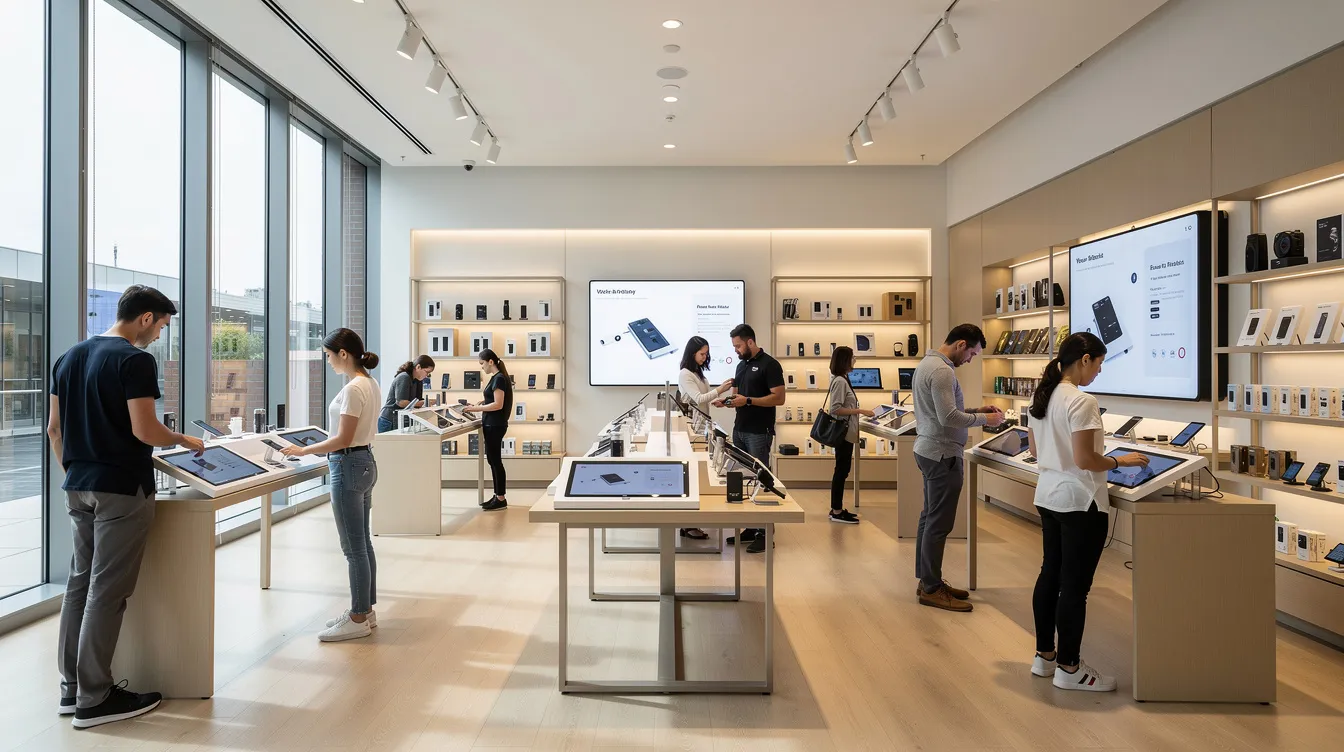
Physical retail is shifting from pure distribution to experience. Stores are becoming theaters and service hubs, making retail brand activations a critical growth lever-a shift illustrated by Samsung’s enhanced experiential retail presence. This is reflected in the data: 47% of advertisers use in-store advertising as a core strategy, and that number is rising as brands seek direct engagement at the point of decision.
Forms include in-aisle theater, guided consultations, interactive endcaps, store takeovers, and “shop-in-shop” experiences that dramatize brand identity within multi-brand environments. A 2024 beauty brand bar let visitors personalize products on the spot-transforming a routine store visit into a fun experience and a memorable experience simultaneously.
The most effective in store activations are anchored in a clear retail brand strategy: understanding the role of the store in the customer journey, shopper missions, and omnichannel integration. Visual merchandising alone does not constitute activation. Activation makes the space participatory.
Key metrics for retail activation: foot traffic lift, conversion rate, basket size, dwell time, and digital sign-ups (apps, loyalty, CRM) generated by the activation. These are concrete, trackable outcomes.
Operational realities matter: staff must be trained as brand ambassadors, retailer collaboration is essential for compliance and shared space, and scaling a pilot from a single flagship to dozens of locations requires consistency balanced with localized adaptation.
Core Elements of Brand Activations That Actually Work
Standout brand activations look wildly different on the surface-various rooms of an immersive installation, a digital challenge, a sampling station-but the best activations share non-negotiable foundations.
A sharp brand foundation. Clear positioning, distinctive brand identity, and codified brand values give the activation something specific to dramatize. Without this, activation drifts into generic spectacle-and 51% of marketers find their campaigns sometimes feel generic, which is a strategy problem, not a creativity problem.
A defined audience and problem. Who exactly is this for? What behavior are you trying to shift? What tension in their life or category can you solve? Specificity drives emotional resonance.
An experience worth talking about. The activation must be fun, useful, or meaningful enough that people want to tell someone else. This is where Social Currency is created-the activation invites people to share because it reflects something they want to be associated with.
Integration into the broader strategy. Activation touchpoints should link to CRM, own content, product onboarding, or retail-not sit as isolated events. A brand stops compounding when activations are disconnected from the customer journey.
Clear success metrics. Define in advance whether you are optimizing for trial, sign-ups, content creation, earned media, or community-building-and how you will measure each. Without this, you cannot properly evaluate impact.
How to Plan a Brand Activation Strategy
Planning a brand activation strategy is a sequential discipline, not a brainstorm, and works best when it is tightly linked to a broader brand experience strategy:
- Clarify brand strategy. Positioning, values, and identity must be sharp. If internal teams disagree on what the brand stands for, stop here and invest in strategic clarity first.
- Set objectives. Define the behavior you want to drive-trial, purchase, lead generation, social advocacy-and the target audience you need to reach.
- Choose activation type(s). Sampling and retail for short-term sales lift. Experiential and cause-led for emotional depth and brand affinity. Digital for data, reach, and agility.
- Design the experience. Narrative arc, sensory cues, participation mechanics, content capture opportunities. What does the activation feel like? What does it ask people to do?
- Orchestrate channels and partners. Media amplification, influencer partnerships, retailer channels, and sales team alignment. Cross-functional planning involving brand, media, CX, and technology teams prevents execution gaps-untrained field staff, no follow-up journeys, dead-end data.
- Measure and learn. Define KPIs, set up event data collection, run qualitative feedback. Use findings to strengthen the next brand activation.
Strategy must precede idea generation. Without clarity on what the brand stands for and what must change in the market, ideation devolves into random stunts-engaging experiences that lack strategic purpose.
Firms that specialize in brand activation consulting can connect high-level brand strategy with concrete activation roadmaps-portfolios of successful campaigns over 12–24 months rather than one-off fireworks. The goal is a repeatable model that compounds, often supported by brand and marketing acceleration consulting that integrates activation with broader growth initiatives.
Treat each activation as a test-and-learn opportunity. The most effective brand activations are not just moments-they are data-generating systems that refine the long-term brand platform.
Measuring Brand Activation: From Noise to ROI
The claim that brand activations are “hard to measure” is a planning problem, not an inherent limitation of event marketing. Tracking key performance indicators is essential for measuring the success of brand activations, and measuring success requires clear, trackable key performance indicators defined before launch.
Three tiers of metrics structure the measurement framework:
- Participation – attendance, foot traffic, dwell time, interactions. How many people actually engaged?
- Engagement quality – depth of interaction, content created, opt-ins, sentiment, time spent. Did the activation create meaningful engagement or was it superficial?
- Commercial impact – trial-to-purchase rates, revenue uplift, pipeline value (in B2B), basket size (in retail), retention. Did it move the business?
Concrete KPIs vary by type: scan rates and basket uplift for in store activations. Sign-ups and demo requests for B2B live events. Content shares, saves, and completion rates for digital activations. Track engagement across all tiers.
Connecting offline activation data to digital profiles via QR codes, NFC, apps, or unique URLs enables retargeting and nurture sequences-closing the loop between event impact and commercial outcome.
Qualitative feedback matters equally: on-the-spot interviews, post-event surveys, and social listening to understand what people actually took away about the brand. The metrics that matter most reflect depth of relationship and Social Currency-what people say and share about the brand-not just raw reach. This is the difference between activations that build customer loyalty and activations that generate a temporary spike in vanity metrics.
Brand Activation Cost: What Drives Investment Up or Down?
Brand activation cost is highly variable, ranging from low five-figure pilots to multi-million-dollar global roadshows depending on ambition and format.
Major cost drivers include:
- Concept and creative development
- Production (builds, technology, content)
- Venues and permits
- Staffing and training
- Talent or influencers
- Travel and logistics
- Media amplification (earned, owned, paid)
Cost profiles differ across types of brand activation. High-build experiential installations carry the highest venue and fabrication costs. Digital challenges are more efficient in physical overhead but require investment in creative, technology, and data infrastructure. Sampling campaigns are driven primarily by product cost and distribution logistics. Larger events require correspondingly larger operational budgets.
Thinking about ROI means going beyond cost per participant. Calculate cost per trial, value of first-party data captured, incremental sales or pipeline generated, and longer-term brand equity gains. Compare these against alternative spends on awareness or traditional marketing.
Budgeting guidance: start from objectives and required scale, then back into format and footprint. A common mistake is overfunding the one-day spectacle while underfunding follow-through-CRM integration, retargeting, content editing, sales enablement. The most effective campaigns budget for the full lifecycle of the activation, not just the build.
An experienced partner can help right-size brand activation campaigns to budget while preserving the brand idea-ensuring that cost discipline does not dilute strategic integrity.
Common Mistakes in Brand Activation Campaigns (and How to Avoid Them)
Many activations underperform not because the idea is weak, but because the strategic, operational, or measurement foundations are missing. Here are the recurring failures industry experts and practitioners see most often:
Strategy-free spectacle. Big, Instagrammable builds with no clear link to brand narrative or commercial goals. Brand activations feel hollow when they cannot answer “what does this prove about who we are?” Pressure-test every idea against core brand truths before committing budget.
Overcomplicated participation. Mechanics that are confusing, time-consuming, or awkward reduce uptake dramatically. Apply “one clear action” thinking. If you cannot explain what someone should do in one sentence, simplify.
Ignoring the audience’s context. Activations that do not fit the moment, location, or cultural mood come across as tone-deaf. A winter activation concept forced into summer heat, or a playful stunt launched during a moment of national grief, damages rather than builds brand affinity.
No follow-through. Contact data not captured or used. The sales team not briefed. No post-event content. The activation generates energy that dissipates immediately. Plan nurture paths and sales enablement before launch, not after.
Measuring only vanity metrics. Counting footfall or social impressions without evaluating intent signals, sentiment, or conversion is measuring noise, not impact. Ensure your measurement framework includes metrics that reflect quality-not just volume. The activation is not just impressions; it must drive emotional impact and commercial outcomes.
When to Bring in Brand Activation Consulting Help
External brand activation consulting is particularly valuable in specific scenarios: launching a new brand or entering a new market where brand narrative is unestablished, orchestrating multi-country activations where consistency and localization must coexist, or connecting a refreshed brand strategy to a multi-year activation roadmap-areas where partnering with top strategic branding agencies can de-risk complexity.
A strategic partner typically clarifies brand positioning, designs activation platforms (not one-offs), prioritizes markets and audiences, and aligns KPIs with business outcomes. This is different from pure event production. Production agencies are critical-they execute a playbook-but the playbook should emerge from strategy. Campaign development and digital experience design are adjacent capabilities that round out the full activation system, often supported by regional hubs such as Los Angeles-based brand strategy teams that blend cultural insight with execution.
The distinction matters: strategy defines why and what; execution handles how. Both are needed, but strategy first.
For practitioners planning their next brand activation, the goal is to codify a repeatable model-not light a one-time firework. Successful campaigns generate learnings that inform the next wave, creating a compounding cycle of engagement, data, and brand equity. Where outside perspective can reduce risk and accelerate that learning curve, it is worth the investment.
The question is never whether to activate. It is whether your activation is anchored in a strategy worth activating-one that engage audiences, builds brand loyalty, creates a powerful tool for growth, and turns engaging experiences into lasting commercial value.