
Launching a brand requires a strategic data-driven approach, not a logo reveal followed by hope. This step by step guide walks you through the full process – from diagnosing common brand launch pitfalls to building long term success – so you can launch your brand with clarity, coherence, and compounding equity.
Key Takeaways
- Start with brand strategy and positioning before you name, design, or announce anything. Skipping this produces expensive “beautiful failures” – brands that look polished but lack a sharp unique value proposition, leading to low repeat usage and stagnant growth.
- Treat your brand launch as a sequenced process with clear gates: (1) diagnose and avoid pitfalls, (2) build the strategic foundation, (3) design the identity system, (4) plan go-to-market, (5) launch, then (6) learn and evolve.
- Define a minimum viable brand (MVB) – the smallest coherent set of strategy, messaging, and identity assets you need to launch and learn within 90 days, rather than waiting for perfection.
- Design for the network from day one. Map not just buyers but partners, creators, employees, and social media platforms as participants whose interactions shape your brand across every touchpoint.
- Treat launch day as just the beginning of an evolution roadmap. Wire in measurement, feedback loops, and specific decision points for when to optimize post launch, when to pivot positioning, and when to stay the course.

Why Most Brand Launches Fail (and What to Avoid from Day One)
A brand launch introduces a business to the market – yet the odds are brutal. Approximately 30,000 new products launch each year in the U.S., and 95% of new products fail each year. Kantar research shows nearly two-thirds of new launches are “dead or dying” by the end of year two. These failures rarely stem from bad products. They stem from absent strategy.
The most common pitfalls:
- Leading with identity, not strategy. Teams commission a new logo, pick a new font, select a color palette – and only then ask who the target audience is. This produces visually strong brands with weak positioning and poor market differentiation, which leads to weak brand loyalty.
- Unclear brand messaging. When the brand’s purpose isn’t defined, internal teams and external partners end up telling different versions of the brand story. Inconsistent communication can harm brand perception across every channel.
- Fragmented brand touchpoints. Web, app, retail, and marketplaces each running a slightly different version of the brand. Without a consistent brand identity, potential customers see incoherence rather than confidence.
- Rushing the planning phase. This is a common pitfall. Brand launches can be simple digital events or large-scale strategies, but neither works without foundational work.
- Treating launch as a one-day event. The brands that fail treat launch as the finish line. The brands that win treat it as the starting gate.
New-era brand building demands thinking beyond campaigns to ecosystems – where the brand lives in interactions among participants: customers, partners, creators, and algorithms. Approaches such as ecosystem branding that orchestrates multi-stakeholder value creation show how brands can design for these interactions intentionally. If your brand strategy doesn’t account for how value flows across these networks, you are building for obsolescence.
Quick checklist of “don’ts”: don’t skip market research, don’t outsource thinking to a logo contest, don’t assume a successful rebrand is easier than a new brand, and don’t confuse activity with buyer movement.
Defining Your Brand’s Purpose, Audience, and Positioning
This is Step 1 of the brand launch strategy: building the strategic foundation before any creative work begins. Essential steps to launch a brand include conducting market research, defining your audience, and articulating positioning that creates competitive separation.
Define the brand’s purpose. Answer in one sentence: “Why do we exist in 2026 for this specific group, beyond revenue?” For a fintech serving Latin American SMBs, purpose might be: “To give every small business owner the financial tools that only enterprises could access.” Crafting a brand story involves outlining your values and vision – and authenticity is crucial when creating a brand story.
Articulate your value proposition. A positioning statement needs four elements: competitive frame, target segment, key benefit, and proof. Example: For busy professionals navigating complex tax codes (target), [Brand] is the only fintech platform (frame) that automates local tax compliance through AI that learns regional regulations (benefit), reducing filing errors by 80% (proof).
Map your participants. Identifying your audience is crucial for effective brand positioning. Understanding customer demographics and pain points sharpens everything downstream. Create 3–5 detailed personas covering primary buyers, end users, channel partners, and creators – not dozens of shallow ones. Creating customer personas enhances audience engagement and a clear understanding of your audience reduces wasted marketing resources. Market research aids in understanding your ideal customers and helps tailor your messaging.
Audit competitors. Conduct a SWOT analysis to identify strengths, weaknesses, opportunities, and threats. Review competitor brand identity, brand story, and messaging across their homepage, LinkedIn, TikTok, and marketplaces. Find whitespace – a benefit nobody emphasizes or the right target audience nobody addresses.
Create a Brand Strategy Snapshot: a one-page document containing purpose, audiences, problem insight, positioning, reasons to believe, core values, and success metrics. This is where many teams benefit from comprehensive brand strategy consulting services to sharpen and stress-test their direction.
Crafting a Coherent Brand Story and Messaging System
There is a structural difference between a loose “about us” paragraph and a brand story that can flex across pitch decks, websites, and press releases. Every brand has a story that connects with customers on a personal level – the question is whether you’ve engineered it or left it to chance.
Translate strategy into narrative. A compelling brand narrative helps convey your mission and identity. Structure it as: context and problem, the brand’s role as catalyst, what changes for your audience, and the future you’re building together. A brand story should resonate with your target audience. When customers connect with your mission statement and brand values, conversion follows.
Build a messaging hierarchy:
| Layer | Content | Use |
|---|---|---|
| Master narrative | Full brand story | Website, investor decks |
| Key messages (3–5) | Core claims with proof points | Sales, PR, campaigns |
| Audience-specific versions | Tailored for buyer vs. partner vs. creator | Targeted channels |
| Define tone of voice. Pick 3–4 attributes that capture brand’s personality – for example: “decisive, human, optimistic, precise.” Effective brand launches require a clear brand message and strategy delivered in the same voice across all channels. |
Where messaging must appear consistently at launch: homepage hero, product pages, app store listing, sales deck, investor materials, and launch press releases. Create a concise messaging guide (10–15 pages) as the reference for internal teams and agencies, ensuring everyone is on the same page with a consistent brand message.
From Strategy to Identity: Designing a Minimum Viable Brand (MVB)
A minimum viable brand is the smallest complete set of verbal and visual elements needed to launch, learn, and iterate within one to two quarters. It resists the temptation to design everything before validating anything.
Essential MVB components:
- Logo system (primary mark, icon, lockups)
- Core color palette with digital and print values
- Primary typefaces (2–3 max)
- Basic layout system and grid
- Brand voice guidelines
- Simple image style direction
What’s intentionally excluded from MVB: full illustration libraries, complex motion systems, dozens of sub-brand logos, elaborate packaging variants. These come after you’ve validated positioning with real customers.
Defining brand identity involves detailing purpose, target audience, and unique value proposition – and brand identity includes elements such as logo, color palette, and typography. But the power of MVB is knowing when “good enough to launch” beats “perfect but late.”
This is typically where specialists in creative verbal and visual identity design add the most value. Set explicit “good enough” criteria so marketing teams avoid endless polishing and can move to go-to-market planning.

Naming Your Brand and Products Without Derailing the Launch
Brand names are high-stakes decisions that frequently become bottlenecks. The fix is a time-boxed process aligned to strategy.
A concrete naming process (4–6 weeks):
- Brief aligned to brand’s purpose and positioning
- Creative exploration across territories: metaphorical, descriptive-plus, invented, founder-linked
- Shortlist to 8–12 candidates
- Linguistic and cultural checks across target markets
- Legal screening (trademark, domain)
- Final selection and lock
Criteria for strong brand names in 2026: pronounceable in key markets, searchable, protectable, and extendable to future product lines. Handle product and brand naming architecture alongside the master brand so future launches remain coherent.
Document naming rules – not just the first name, but guidelines for all future names – to support brand consistency over time and enable a smooth transition as the portfolio grows.
Building a Flexible Visual Identity System for Real-World Use
Visual identity must be both recognizable and adaptable across dozens of brand touchpoints – from 16-pixel favicons to full-screen event graphics.
Launch outputs needed: primary and secondary logos, color system, typography stack, grid and layout basics, and a starter image style. Creating a digital storefront involves developing a user-friendly and mobile-optimized website, so design for mobile-first layouts, dark mode variants, responsive logo usage, and accessibility (contrast ratios, legible fonts).
Build a pragmatic brand guidelines document focused on common launch use cases: website, social templates, pitch decks, email headers, and simple motion principles. Define governance: who approves new applications, how updates are communicated, and how to manage multiple agencies to avoid identity drift.
Brands are evolving systems. Design the identity with future extensions – sub-brands, partnerships, collaborations – already in the brand relationship architecture plan.
Planning Your Brand Launch Timeline and Governance
A brand launch timeline is a sequence of strategic gates, not just a Gantt chart. A brand launch typically requires 3–6 months of planning. Setting clear goals using the SMART framework helps define launch KPIs at each gate.
Sample 6–9 month timeline:
| Month | Gate | Key Action |
|---|---|---|
| 1–2 | Strategy lock | Purpose, positioning, personas finalized |
| 3 | Naming lock | Legal clearance, domain secured |
| 4–5 | Identity lock | MVB assets complete, guidelines drafted |
| 6 | Internal readiness | Teams trained, partners briefed |
| 7 | External launch | Coordinated reveal across channels |
| 8–9 | Post-launch review | 30/60/90-day retrospectives |
| Use a RACI (Responsible, Accountable, Consulted, Informed) for cross-functional coordination. Build in contingency for legal delays and content overruns. Applying principles of modern strategic brand leadership to these decisions helps ensure brand considerations stay central as you move through each gate. Define “must be true” conditions before green-lighting external launch: website live, sales trained, monitoring in place, customer support scripts updated. |
Go-to-Market: Designing Your Brand Launch Strategy and Campaigns
A robust go-to-market strategy covers logistics and marketing – connecting brand strategy to specific channels, offers, and campaigns across a defined launch window.
Choose a primary launch audience and hero use case for the first 90 days rather than trying to win every segment. A pre-launch strategy builds anticipation before the official launch. Building anticipation can involve teaser campaigns and sneak peeks to build hype and generate buzz among early adopters and a new audience.
Channel prioritization for 2026: organic social (TikTok, Instagram, LinkedIn), search, marketplaces, events, PR, paid ads, and community platforms – selected based on where ideal customers actually spend time. Building authority involves creating valuable content, engaging in SEO, and utilizing social media. Collaborating with complementary businesses can enhance brand visibility, and partnering with top strategic branding agencies worldwide can accelerate this impact at scale.
Core launch assets: launch landing page, explainer or brand launch video, sales deck, FAQ, social media posts templates, and email sequences. More complex GTM programs may benefit from specialist go-to-market strategy support.
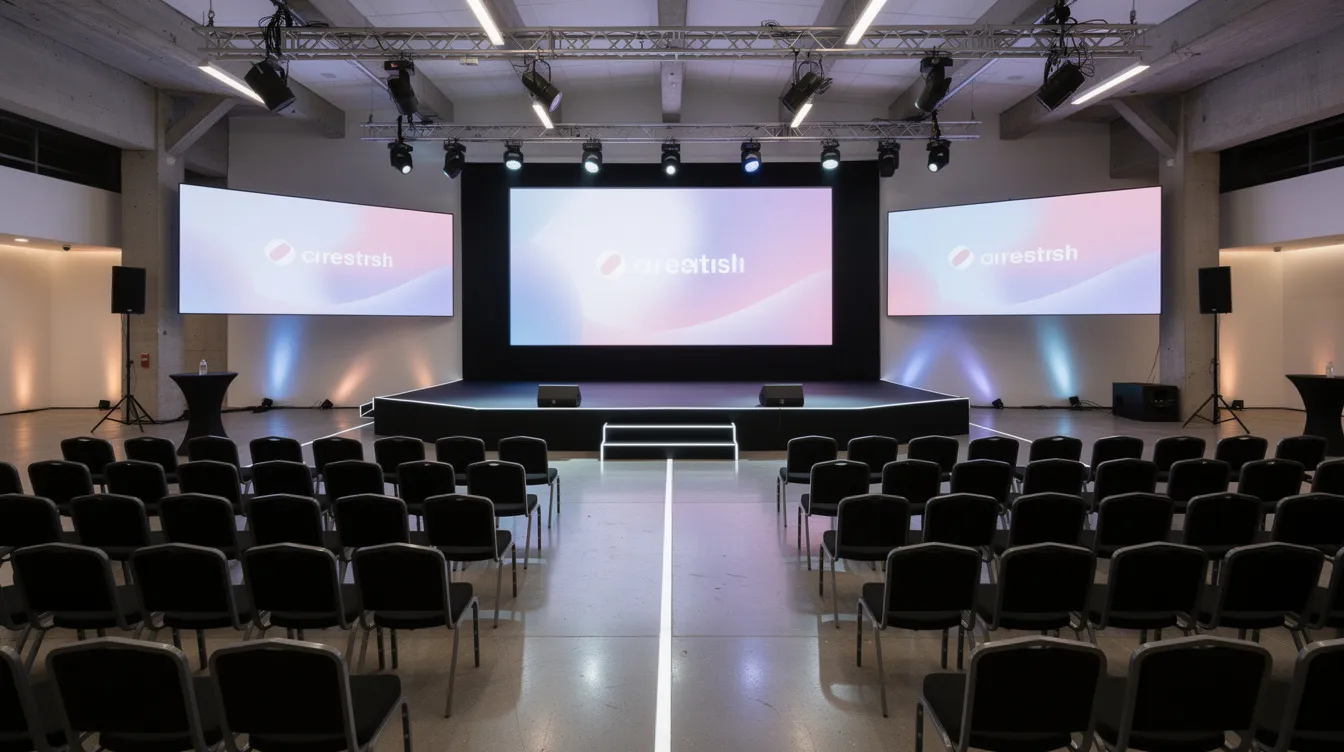
Internal Launch: Turning Employees and Partners into Ambassadors
The internal launch is the brand launch most teams underestimate. Launching internally first aligns team members with brand messaging and ensures internal alignment before external demand arrives.
Internal launch sequence:
- Leadership narrative session
- All-hands brand reveal with the brand story, new brand identity, and key messages
- Role-specific training for customer support, sales, and product teams
- Ongoing digital signage and communication updates
Provide concrete tools: a short brand book, brand Q&A, talk tracks for frontline teams, internal launch video, and a dedicated channel for questions. Turn employees into brand ambassadors who carry the same voice externally.
Involve external partners – agencies, distributors, marketplace operators – early, so they understand brand consistency expectations before campaigns go live.
External Launch: Orchestrating Brand Touchpoints for Maximum Impact
An impactful brand launch coordinates all major brand touchpoints over a 4–6 week period, not a one-off announcement. Stage the reveal: teaser content in the pre launch stage that hints at the brand’s story, followed by a clear launch moment with a strong call to action.
Main components: website switch-over, social media campaign across social media platforms, PR and earned media, launch event (virtual or physical), and channel partner activations. Meeting customer expectations improves early impressions and generates referrals.
Differentiated 2026 tactics: interactive demos, live-stream Q&A, limited-time collaborations, or community challenges encouraging user-generated content to increase brand awareness and drive social media engagement.
Create a “Launch Command Center” dashboard tracking traffic, sign-ups, sentiment, and conversion in real time – enabling same-day adjustments. Ensure operational readiness: support scripts updated, FAQs live, onboarding flows aligned with the promised experience. Product features should be clearly communicated alongside the brand effectively.
Post-Launch: Measuring, Learning, and Iterating Your Brand
Post launch is not an afterthought – it is where the brand earns its right to exist. Engaging with your audience post-launch helps gather insights for continuous improvement.
Measurement framework (first 90–180 days):
- Awareness: reach, branded search, social mentions
- Engagement: time on site, social media engagement rates
- Trial and adoption: conversion rate
- Loyalty signals: repeat use, referrals, NPS
Tracking metrics such as conversion rate and customer acquisition cost informs marketing strategies. Customer feedback should guide branding and marketing decisions – gather feedback through interviews, surveys, social listening, and win/loss analysis. Post-launch evaluation gathers feedback and focuses on customer retention, because retention strategies can be more cost-effective than acquiring new customers.
Run structured launch retrospectives at 30, 60, and 90 days to optimize post launch performance. Introduce “brand sprints” every quarter – testing new hypotheses about storylines, offers, or touchpoints within guardrails of core brand strategy. Track progress against your SMART KPIs to determine when to adjust creative versus when to consider deeper shifts in positioning.
Building Long-Term Brand Equity and Avoiding Future Brand Launch Pitfalls
A strong brand launch strategy increases brand recognition and customer loyalty – and consistent branding can increase revenue by over 23%. A successful brand launch builds awareness and customer loyalty, but the compounding happens in the years that follow. Effective branding communicates a clear promise that builds customer trust over time. Research shows brands with high awareness convert 2.7× higher than unknown alternatives, especially in fast-evolving categories like the modern beauty landscape where trust and differentiation are critical.
Maintain brand consistency while allowing evolution: regularly update brand guidelines, revisit the brand story as markets shift, and audit brand touchpoints for drift. Consistent branding builds trust across all customer touchpoints. Manage sub-brands, product launches, and partnerships so they strengthen – never dilute – the parent brand identity, supported by a clear brand and product portfolio strategy that defines roles and investment priorities.
Governance mechanisms for the long term:
- Brand councils with quarterly reviews
- Annual strategy check-ins against marketing goals
- Clear rules for when to consider a successful rebrand versus incremental optimization
- Ongoing engagement with loyal customers and existing customers
Building brands in the digital age means co-creating with communities, forming platform partnerships, and measuring participation – not just impressions – as a sign of brand strength, reflecting the broader shift from brand as communication to brand as a driver of value creation. A strong brand launch strategy increases long term success, but only if the organization treats the launch as the start of a value-creation system, not its conclusion.
External partners such as a new brand development consulting team can help keep the brand’s evolution on track as marketing success compounds over multiple years.